Scorpion Control
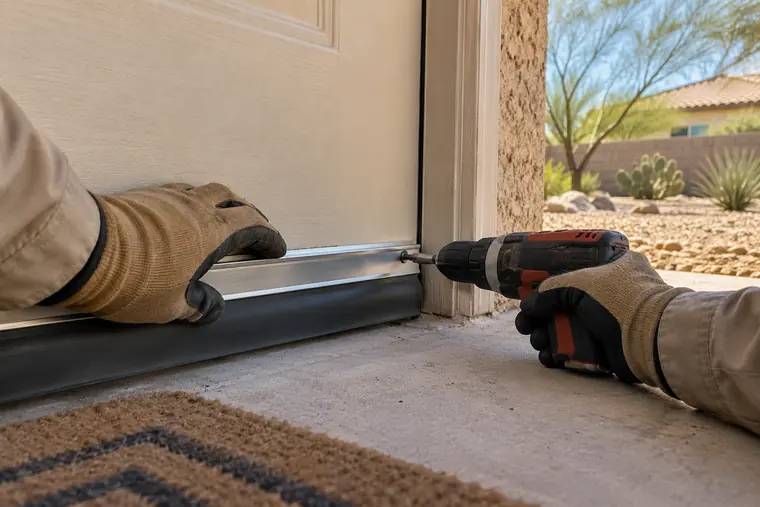
Arizona bark scorpions climbing walls and hiding in garages and closets. A night inspection with UV light, harborage treatment and sealing the gaps they use.
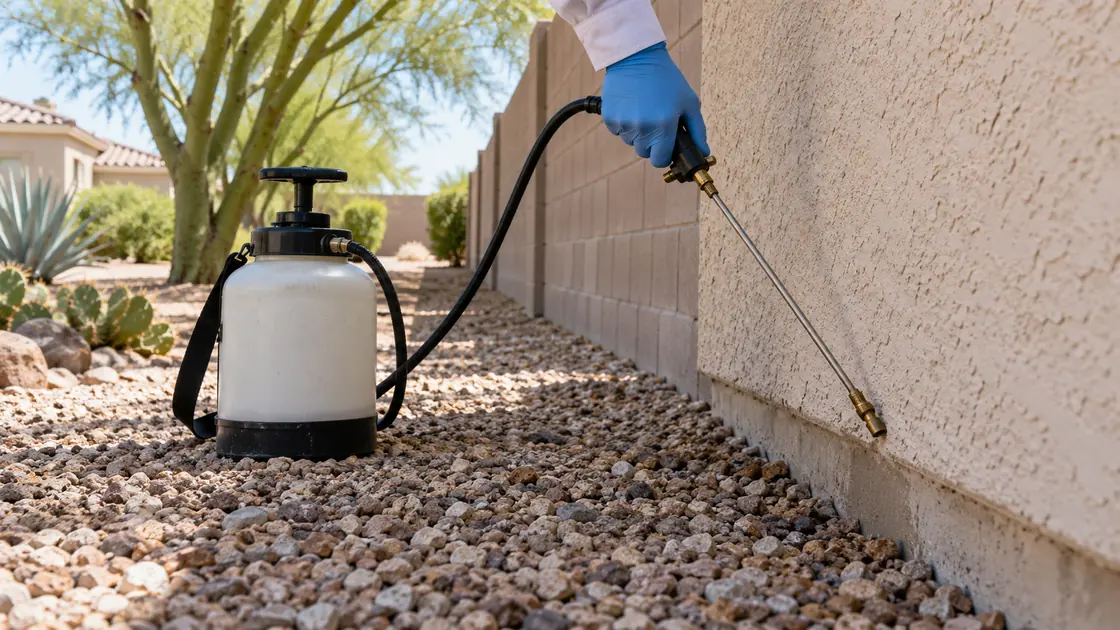
Pest control in Casa Grande from a local exterminator: bark scorpions, pack rats in the engine bay, termites tubing up the stucco and roaches from the sewer, across Pinal County homes.
The time of year in Casa Grande changes the pressure, and local pest problems near downtown Casa Grande are still confirmed at the foundation crack.
These are the jobs behind most Casa Grande calls. Rodent control, termite control and bee removal each have their own page. For scorpions and roaches, call and describe what you are seeing.
Arizona bark scorpions climbing walls and hiding in garages and closets. A night inspection with UV light, harborage treatment and sealing the gaps they use.
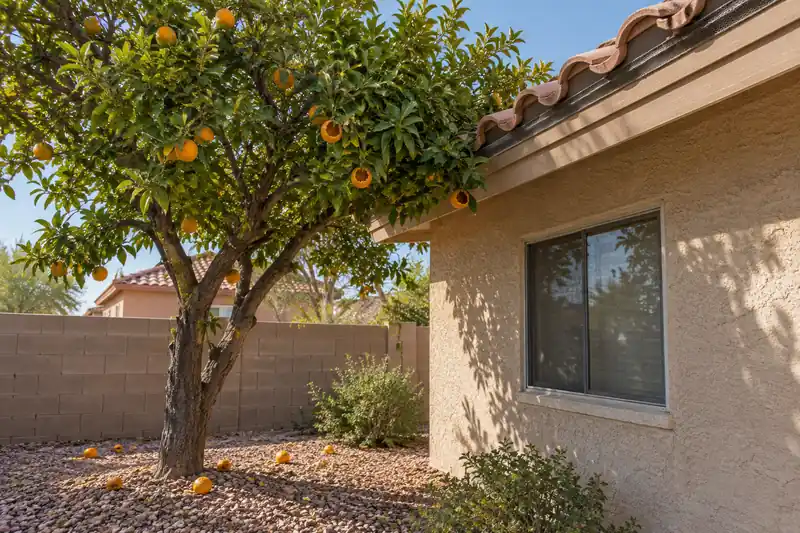
Pack rats nesting in yards and chewing car wiring, roof rats and mice in garages and attics. Nests removed, gaps sealed, traps set and checked.
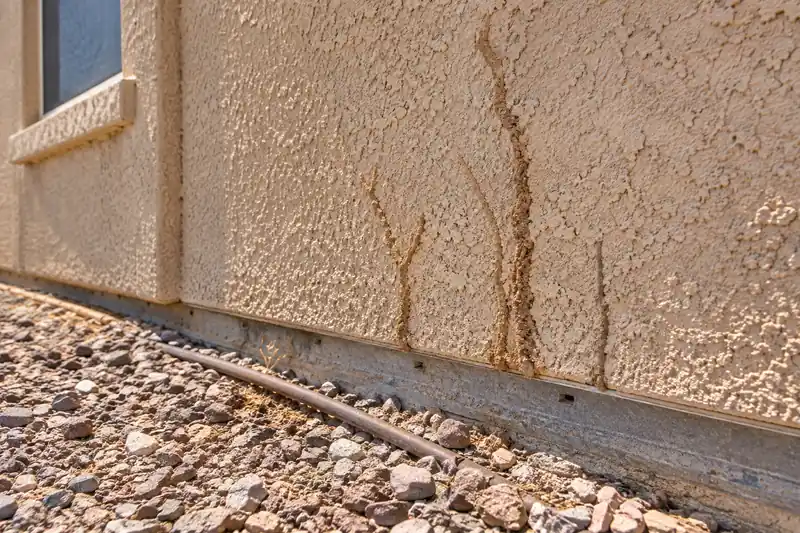
Desert subterranean termites tubing up stucco, block walls and baseboards. A full inspection, then a soil treatment or bait system for your house.
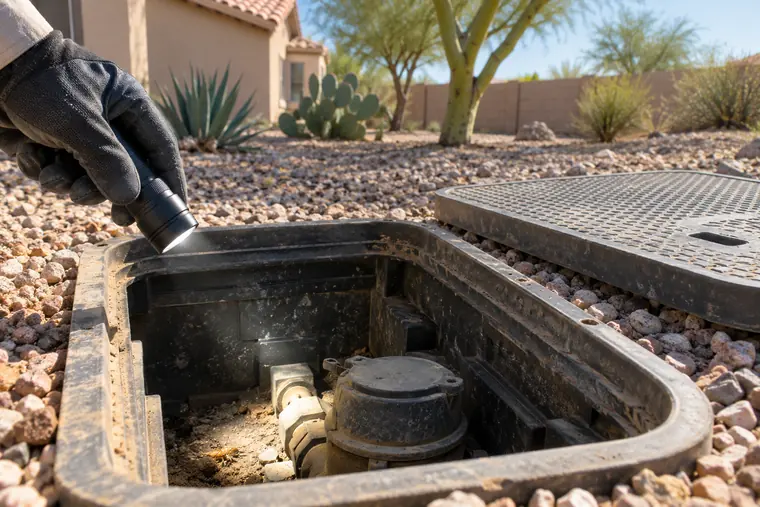
American and Turkestan roaches from sewers and yards, German roaches in kitchens. Exterior barrier, bait, crack-and-crevice work and a follow-up.
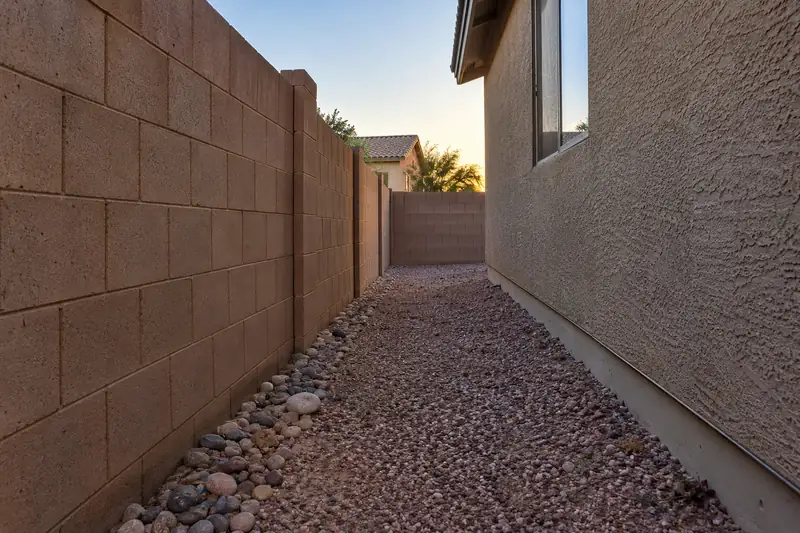
Honey bee swarms and colonies under manufactured home skirting, in sheds, block walls, meter boxes and irrigation boxes. Located first, then removed and the gap sealed.
What are you seeing?
Tap a pest. Then call about it.
Small, slender, tan scorpions, up to about three inches, that climb walls, ceilings and trees and hide in cracks, block walls, landscape rock and stacked items.
Call about arizona bark scorpionsRead moreWhite-throated wood rats, called pack rats, build large nests called middens out of sticks, cactus pieces, debris and anything shiny.
Call about pack ratsHow it worksRoof rats have spread through parts of central Arizona and climb into attics through gaps at the roofline, often from citrus and palm trees.
Call about roof ratsRead moreArizona termites live in the soil and build mud tubes up stucco, block walls, door frames and slab cracks, especially after monsoon rains.
Call about desert subterraneanHow it worksAmerican roaches are large and reddish and come up from sewers and drains, especially in the summer heat.
Call about americanRead moreSmall, light brown roaches with two stripes behind the head that live indoors in kitchens and bathrooms, often in apartments and rentals.
Call about german cockroachesRead morePest control in Casa Grande, AZ means scorpions, rodents, termites and roaches that are built for the desert and very good at getting into houses.
Call now and tell us what you are seeing. A technician inspects, finds the pest and where it lives, and gives you the price before any treatment starts.
Casa Grande sits between Phoenix and Tucson in the low desert of Pinal County, with farm fields, irrigation canals and open desert on every side.
That edge is where a lot of pest problems start.
New neighborhoods like Mission Royale and Villago were built on desert and farmland, and the scorpions, pack rats and termites that lived there did not move away.
Older homes near downtown and along Florence Boulevard have their own gaps, from weathered stucco to block walls and old irrigation lines.
The weather drives the calendar. When summer pushes past 110 degrees, scorpions and roaches look for cooler, damper spots, and that often means a garage, a bathroom or the space under a sink.
Air conditioners run nearly nonstop, and their condensate lines and damp pads attract insects. Monsoon storms from July into September flood burrows and nests and push termites, roaches, crickets and scorpions into homes.
In the cooler months, pack rats and mice move into garages, attics and car engines.
This page covers each of those pests, what the technician does about them, the communities we cover and the questions people ask.
Why Casa Grande homeowners call us
Desert pests need desert methods. A scorpion is not controlled the way an ant is, and a pack rat is not a mouse.
The technician treats each pest the way it actually lives here: scorpions in block walls and landscape rock, pack rats in middens under prickly pear and debris, termites in the soil under the slab.
Inspection comes first. The technician checks the garage, laundry, bathrooms and kitchen, the block walls and yard, the roofline and the slab edge, and tells you plainly what they found and where it is coming from.
You get a price before the work. Cost depends on the pest, how widespread it is and the size of the home and lot.
You hear it before treatment, and nothing starts until you agree.
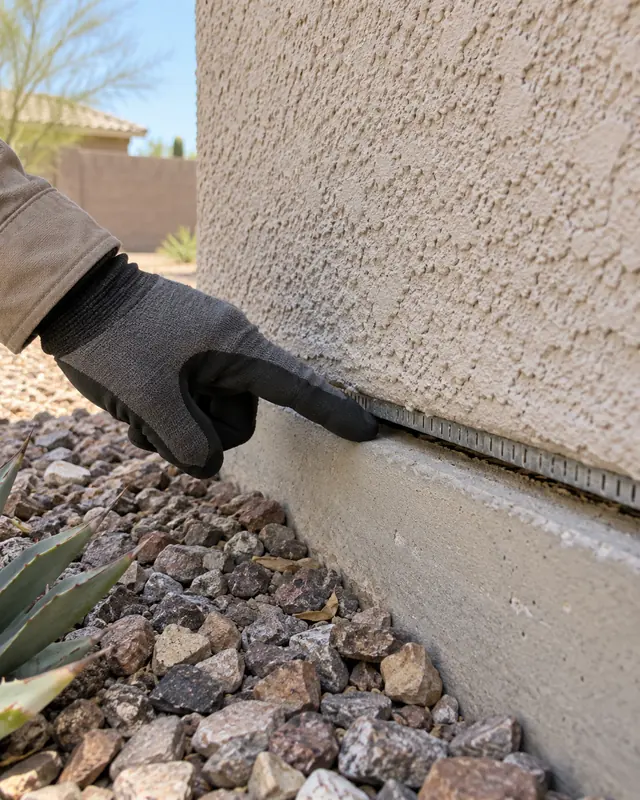
Sealing matters here. Scorpions fit through a gap the thickness of a credit card, and pack rats chew through foam and plastic.
The technician points out or seals the gaps that matter: door sweeps, weep screeds, utility penetrations and garage door seals.
We are honest about scorpions. No one can promise zero scorpions in the Arizona desert.
A good program cuts the number that get inside and the places they can hide, and the technician will tell you what to expect.
Arizona licensing. Structural pest control in Arizona is regulated by the Arizona Department of Agriculture's Pest Management Division, which licenses businesses and applicators. Ask for the license number when you call.
Here is what each pest looks like in Casa Grande, why it shows up and what the visit does about it.
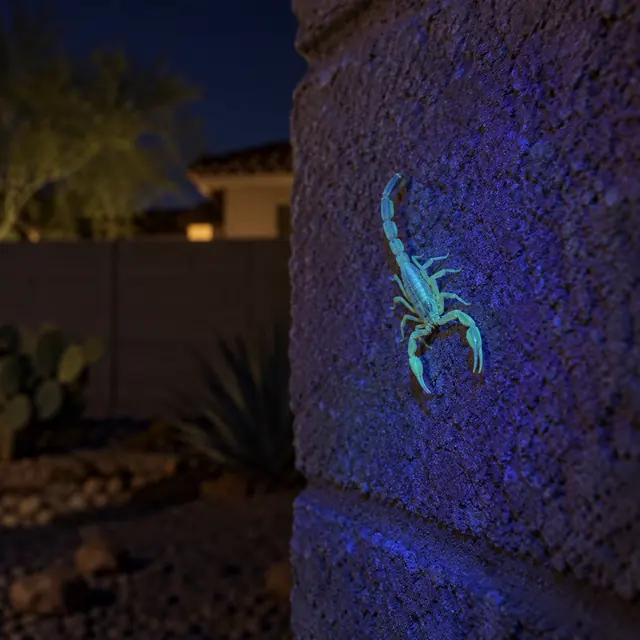
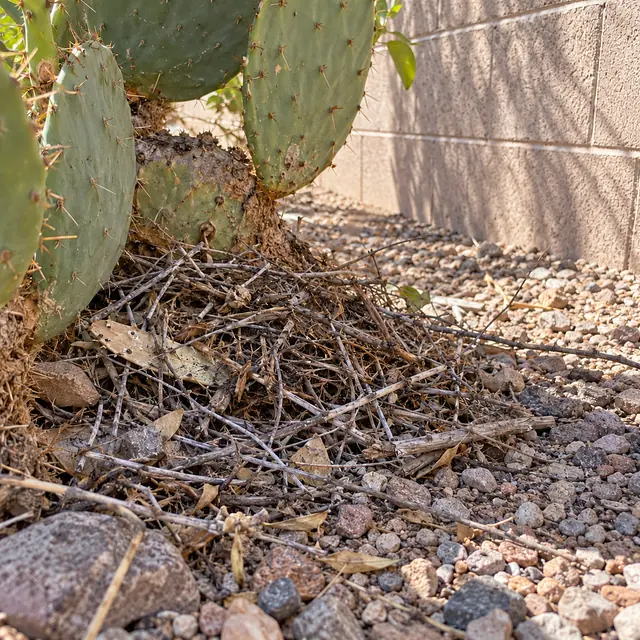
Small, slender, tan scorpions, up to about three inches, that climb walls, ceilings and trees and hide in cracks, block walls, landscape rock and stacked items.
They are the most venomous scorpion in the United States, and their sting is very painful; young children and older adults can have serious reactions.
They are most active on warm nights from spring through fall.
White-throated wood rats, called pack rats, build large nests called middens out of sticks, cactus pieces, debris and anything shiny.
Around Casa Grande they nest under prickly pear and cholla, in woodpiles, under sheds and in the engine bays of cars, trucks and RVs, where they chew wiring and hoses. See pack rat and rodent control.
Roof rats have spread through parts of central Arizona and climb into attics through gaps at the roofline, often from citrus and palm trees.
House mice move into garages and kitchens in the cooler months. Droppings, chewing and noises at night are the signs; confirming the species decides the plan.
Arizona termites live in the soil and build mud tubes up stucco, block walls, door frames and slab cracks, especially after monsoon rains.
They also eat the paper on drywall and the wood in baseboards. Mud tubes on the outside of the house or coming out of a crack in the garage floor are the signs. See termite control.
American roaches are large and reddish and come up from sewers and drains, especially in the summer heat.
Turkestan roaches, now very common in central Arizona, live in yards, water meter boxes and irrigation valve boxes and wander inside under doors.
Small, light brown roaches with two stripes behind the head that live indoors in kitchens and bathrooms, often in apartments and rentals.
Homes around downtown Casa Grande get the local pest problems inspection at the sill plate first, because that is where the activity usually starts.
Black widows are common in Casa Grande, in block wall gaps, meter boxes, patio furniture, garages and under eaves.
The local recluse is the Arizona recluse, a desert relative of the brown recluse, found under debris and in garages and storage. Removing webs, cutting clutter and treating harborage areas keeps numbers down.
Red harvester ants build large, cleared mounds in yards and give a painful sting.
Native desert fire ants and southern fire ants nest in lawns and along walkways. Each needs a different bait, so the technician confirms the species first.
Crickets and monsoon bugs
During monsoon season, crickets, beetles and other insects swarm porch lights and come inside under doors.
They are also scorpion food, so a lot of crickets around the house often means more scorpions. Switching to yellow or LED bulbs and sealing door gaps helps.
Bees in central Arizona are often Africanized and can be very defensive. A swarm in a wall, a meter box or an irrigation valve box should not be disturbed.
Tell us what you see; bees are handled differently from other pests, and we will explain the options.
We cover Casa Grande from the historic downtown and the neighborhoods along Florence Boulevard and Pinal Avenue to the newer communities on the edges of town, plus these nearby Pinal County communities.
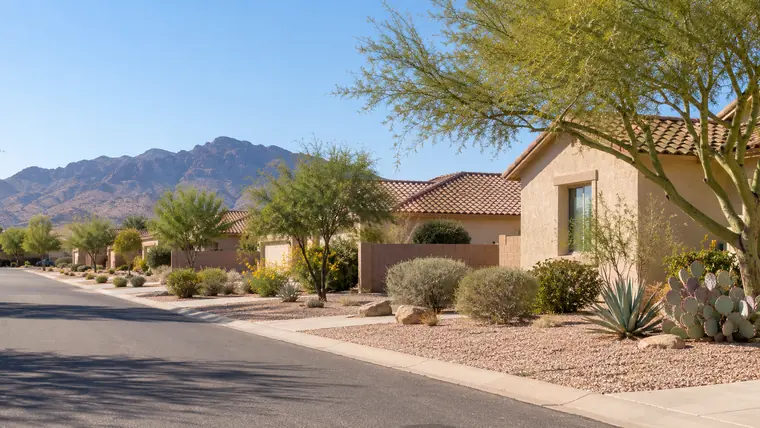
The newer subdivisions on the edges of town, built on former desert and farmland, see the most scorpions, pack rats and termites.
Homes near irrigation canals and fields get more crickets, roaches and mosquitoes in summer. Older homes downtown see more roaches and rodents through aging block, stucco and plumbing.
Retirement and RV communities have their own needs, from pack rats in stored vehicles to roaches in shared facilities.
The low desert around Casa Grande has mild winters, very hot summers and a monsoon season, and each brings its own pests.
The local pest problems check in Casa Grande covers the block fence and the stored firewood on the same walk-through.
Arizona bark scorpions (*Centruroides sculpturatus*) become active as nights warm, and spring is the main swarm season for honey bees, including Africanized colonies looking for walls, meter boxes and irrigation boxes to move into.
Harvester ants (*Pogonomyrmex* species) open mounds in gravel yards.
Do not close up the expansion joint before the inspection for local pest problems in Casa Grande, or the useful evidence is gone.
Heat drives scorpions, crickets and cockroaches toward shade and water around homes.
Pack rats, the white-throated woodrat (*Neotoma albigula*), chew wiring in parked cars and RVs, and kissing bugs (*Triatoma rubida*) fly toward porch lights from pack rat nests.
Writing down where local pest problems were seen near Coolidge, including the hose bib, makes the Casa Grande visit shorter and more exact.
Humid storms trigger termite swarms, including the desert subterranean termite (*Heterotermes aureus*), and bring flying ants, crickets and more scorpions to the walls. Standing water after storms breeds mosquitoes for a week or two.
Local pest problems around Maricopa follow the way the house is built, and the porch step is one of the first places checked.
Local pest problems around Arizona City follow the way the house is built, and the porch step is one of the first places checked.
Mice and roof rats look for warm shelter, and winter visitors in RV parks and seasonal homes often find pack rat nests and droppings when they return.
No honest company can promise zero scorpions in the Arizona desert. A good program cuts the number that get inside and where they can hide. Sealing gaps makes the biggest difference.
Call the Arizona Poison and Drug Information Center or your doctor right away, and seek emergency care for severe symptoms. Bark scorpion stings can be serious for young children and older adults.
Scorpions are most active on warm nights from spring through fall. Extreme heat and monsoon rain also push them toward the cooler, damper spots inside homes.
Remove nearby nests and debris, keep the garage sealed, avoid parking for long periods near prickly pear or brush, and check the engine bay often.
Trapping and removing nests near where you park is part of the job.
Yes. Desert subterranean termites are common in Arizona and attack homes through slab cracks, stucco and block walls, especially after monsoon rains.
Writing down where local pest problems were seen near Dave White Regional Park area, including the eave gap, makes the Casa Grande visit shorter and more exact.
No. One-time treatments are available. Scorpions and termites often need ongoing service, and you choose whether to sign up.
If you have seen local pest problems near Eloy, leave the soffit gap as you found it and photograph it.
Can someone come out the same day?
Sometimes. Call now early and ask about the first open time.
Yes. Pack rats nesting near stored RVs, trailers and cars are trapped and their nests removed, and the technician points out ways to make the storage area less attractive.
Do not close up the expansion joint before the inspection for local pest problems in Casa Grande, or the useful evidence is gone.
The local pest problems check in Casa Grande covers the dishwasher line and the expansion joint on the same walk-through.
What are the bugs coming to my porch light at night?
In late spring and summer that can be kissing bugs, crickets, beetles or termite swarmers.
Kissing bugs are about an inch long with a cone-shaped head; save one in a jar for the technician to identify.
Gravel does not hold moisture the way mulch does, which helps with termites and roaches. Scorpions and harvester ants still live in gravel, so it is only part of the plan.
In Casa Grande: 85122, 85193, 85194. Nearby: Arizona City 85123; Eloy 85131; Coolidge 85128; Stanfield 85172; Maricopa 85138, 85139. Not sure about your ZIP code? Call now and give us your street.